


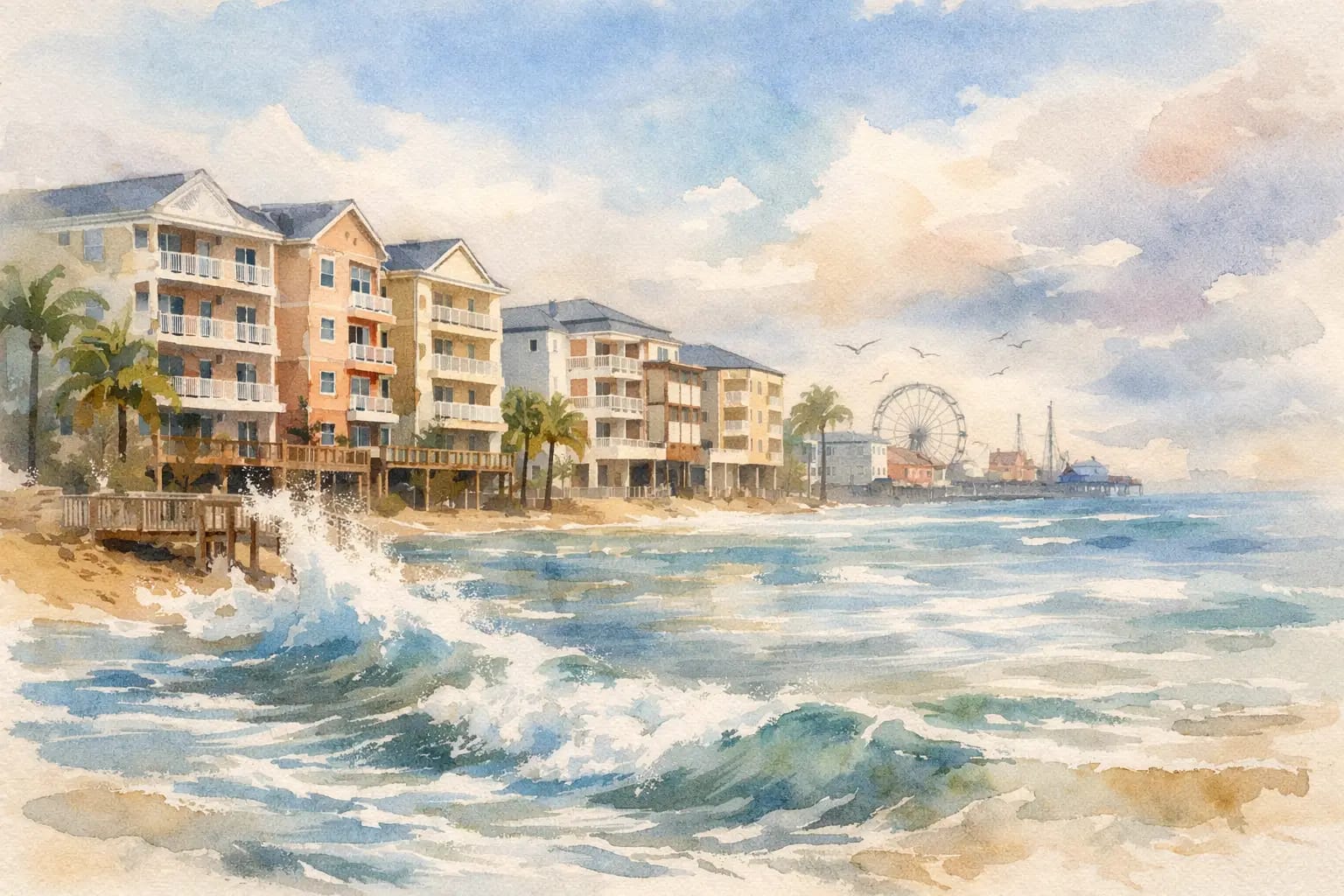
A beachfront view can make an Ocean City condo feel like an easy yes. Before you write an offer, though, flood insurance for Ocean City condos deserves the same attention as the monthly condo fee, rental rules, and financing. A flood policy can affect your closing costs, ongoing budget, lender approval, and peace of mind when coastal weather moves in.
The key is understanding what is already insured through the condominium association, what may be your responsibility as the unit owner, and whether the building’s coverage is adequate. Those answers are not always found in a listing description. They come from careful document review and clear questions before contingencies are removed.
Why flood coverage works differently in a condo
A detached home owner generally buys coverage for one property. Condo ownership divides responsibility between the association and individual owners. The association typically insures common elements and portions of the building through a master policy. Your personal condo policy, often called an HO-6 policy, is designed to protect your unit, belongings, liability, and certain interior improvements.
Flood insurance follows that same divided structure, but the details can vary significantly. A condominium association may carry a flood policy for the building under the National Flood Insurance Program or through a private insurer. That policy can cover the structure and some common property, subject to its limits, deductible, and policy terms.
It does not automatically mean every owner has complete protection. Interior finishes, appliances, personal belongings, improvements made by a prior owner, temporary living costs, and the association’s deductible can create meaningful gaps. The association’s governing documents and insurance declarations help define where association responsibility ends and unit-owner responsibility begins.
What an association flood policy may cover
For a typical Ocean City condominium building, the association’s flood policy is primarily about the building itself. Depending on the policy and the condo documents, it may cover structural components, common hallways, elevators, mechanical systems, and other shared property. It may also insure portions of individual units, but the extent of that coverage depends on whether the association maintains a bare-walls, single-entity, or all-in style of coverage.
Those labels matter. Under a bare-walls approach, owners may be responsible for much more of the interior of their units. Under broader coverage, the association may insure original fixtures and finishes, while owner upgrades remain the owner’s responsibility. A renovated kitchen, custom flooring, or upgraded bathroom can complicate the answer.
Ask for the association’s insurance certificate, full policy declarations, deductible amount, and a written explanation of what the master policy covers. Also ask whether the policy limit reflects the building’s current replacement cost. A policy that looks acceptable on paper can still be too low if construction costs have risen or the building has not been valued recently.
When you may need your own flood policy
A lender may require separate flood coverage for your unit if the property is in a federally designated Special Flood Hazard Area and the loan is backed by or connected to a federally regulated lender. Requirements can differ based on the loan, the building policy, and how the association’s coverage is structured.
Even when a lender does not require it, an individual policy may be worth considering. Standard condo insurance generally does not cover flood damage. Water coming in from storm surge, rising coastal water, or overflowing waterways is usually treated as flood damage, not a standard water claim. A policy that covers a burst interior pipe is not the same thing as flood coverage.
Individual coverage can help protect your personal property and the parts of the unit you are responsible for. It may also provide a layer of protection if the association assesses owners after a covered flood loss. Some policies offer condominium loss assessment coverage, but limits and conditions vary. This is a conversation to have with an insurance professional who can review the building’s policy alongside your proposed unit policy.
Flood zones affect risk, but they are not the whole story
Ocean City buyers often begin with a flood-zone map, and that is a smart first step. A building located in a higher-risk flood zone may face a lender requirement and higher insurance costs. However, a lower-risk designation does not mean zero risk. Coastal storms, heavy rain, drainage issues, and tidal conditions do not always follow a map neatly.
The building’s elevation, construction, location, ground-floor use, flood history, and mitigation features can matter just as much as the zone label. A raised building with protected mechanical equipment may present a different insurance picture than a similar building nearby with systems located at ground level.
For investment buyers, this is also an operating-cost question. Flood premiums, association deductibles, and special assessments can influence cash flow. For second-home buyers, it is a comfort question as well as a financial one. You want to know how the building has handled past weather events and what the association has done to prepare for future ones.
Questions to ask before you make an offer
A strong offer strategy includes requesting the right information early. Your agent, lender, insurance professional, and settlement team each have a role, but buyers should know the questions that matter.
Ask the seller or association whether the building has experienced prior flood losses, insurance claims, or storm-related assessments. Request the current master flood policy declarations, including the carrier, coverage limit, deductible, renewal date, and premium. Review recent association meeting minutes for discussion of claims, water intrusion, repairs, insurance increases, reserve funding, or upcoming projects.
You should also ask whether there are pending or recent special assessments and how the association allocates deductibles after a loss. Some associations may charge all owners equally, while others allocate costs based on unit ownership percentages or the location of the damage. The condominium documents should address this, but do not rely on assumptions.
Finally, get an insurance quote for your specific unit before your inspection and financing deadlines pass. Do not use a generic online estimate as your final number. The insurer will need property details, your desired coverage, the association’s documents, and sometimes elevation or building information to provide a useful quote.
Budget for more than the annual premium
The annual flood premium is only one line in the ownership budget. If your lender requires coverage, it may be collected through escrow and added to your monthly payment. If you pay directly, you still need to account for renewal timing and possible premium changes.
The larger surprise for some condo owners is the deductible. Association flood deductibles can be substantial, especially in coastal communities. If a covered event damages common areas or parts of the building, the association may need to use reserves, assess owners, or both. A well-funded association can be a positive sign, but reserves are not a substitute for adequate insurance.
Consider the total monthly picture: mortgage payment, property taxes, condo fees, unit-owner insurance, potential flood coverage, utilities, and a reasonable reserve for repairs or assessments. For a vacation rental condo, include slower rental periods and management costs rather than assuming peak-season income will cover every expense.
Timing matters during a condo purchase
Flood coverage is not a detail to leave until the week before closing. Some policies may have waiting periods, while a policy connected to a new mortgage transaction may be handled differently. Your lender will need proof of the required coverage before closing, and a last-minute issue with the association policy can delay the process.
Once you identify a condo you like, start the insurance conversation right away. Share the listing, unit number, proposed closing date, and any association documents you have received. If the building policy is inadequate, expired, or difficult to verify, you want to know while you still have room to evaluate your options.
A practical way to protect your purchase
Ocean City condos can be wonderful primary homes, beach retreats, and investment properties, but coastal ownership calls for careful due diligence. The right property is not simply the unit with the best view. It is a unit in a building whose insurance, maintenance, finances, and rules support the way you plan to own it.
Before you move forward, let your real estate team help you gather the association documents and identify the questions that need clear answers. A few direct conversations early in the process can help you choose a condo that feels exciting on closing day and still feels manageable long after the summer crowds are gone.